
How to optimize your content for ChatGPT and other LLMs boils down to one core truth: the future of discovery is no longer about ranking first, it’s about being recommended first. The shift is unmistakable.
Quick Stats:
- In the United States, just 40.3% of Google searches resulted in an organic click in March 2025, down from 44.2% the year before. (Search Engine Land)
- Globally, studies show that around 60% of all searches now end without a click, with AI-powered summaries and answer engines increasingly satisfying intent without driving users to websites. (SEOptimizers)
- Meanwhile, adoption of LLMs like ChatGPT continues to explode and as of mid-2025, approximately 30% of consumer usage is work-related and approximately 70% is non-work. (OpenAI)
For businesses relying on search engines, everything changes. It’s no longer enough to chase keywords and backlinks. Now the question is; “Does your content show up inside the answers people receive from LLMs?”
If the answer is no, you’re invisible to millions of potential customers who no longer browse but simply ask.
We at ZeroToNine Marketing have been working on AI-Driven Search Visibility for past 3 years and we will walk you through exactly how to optimize your content for ChatGPT, Perplexity, and Gemini.
This guide covers the step-by-step tactics content creators, marketers, and brands need now.
Before we explore the strategies let’s understand first how LLMs discover and interpret web content, so you can align your strategy with the way Generative AI Engines like ChatGPT actually sees your content.
TL;DR
- AI tools like ChatGPT, Perplexity, and Gemini are replacing traditional search, making Answer Engine Optimization (AEO) essential for visibility.
- To appear in AI-generated answers, your content must be clear, structured, entity-focused, and aligned with how LLMs interpret information.
- Use schema, short-form entity pages, internal linking, and Q&A formatting to improve machine understanding.
- Strengthen your presence inside AI ecosystems through LLM business profiles, conversation footprint building, and publishing artifacts on platforms like Claude and Grok.
- Create content in formats LLMs prefer: step-by-step guides, comparisons, glossaries, checklists, templates, and short answer blocks.
- Avoid common mistakes such as unstructured writing, inconsistent brand descriptions, missing schema, and keyword-focused content.
- Brands implementing these practices see measurable results, including double-digit increases in LLM-driven traffic.
Optimizing your content for ChatGPT and other LLMs is no longer optional, it’s the new foundation of organic visibility in 2025 and years ahead.
How LLMs Discover and Interpret Web Content
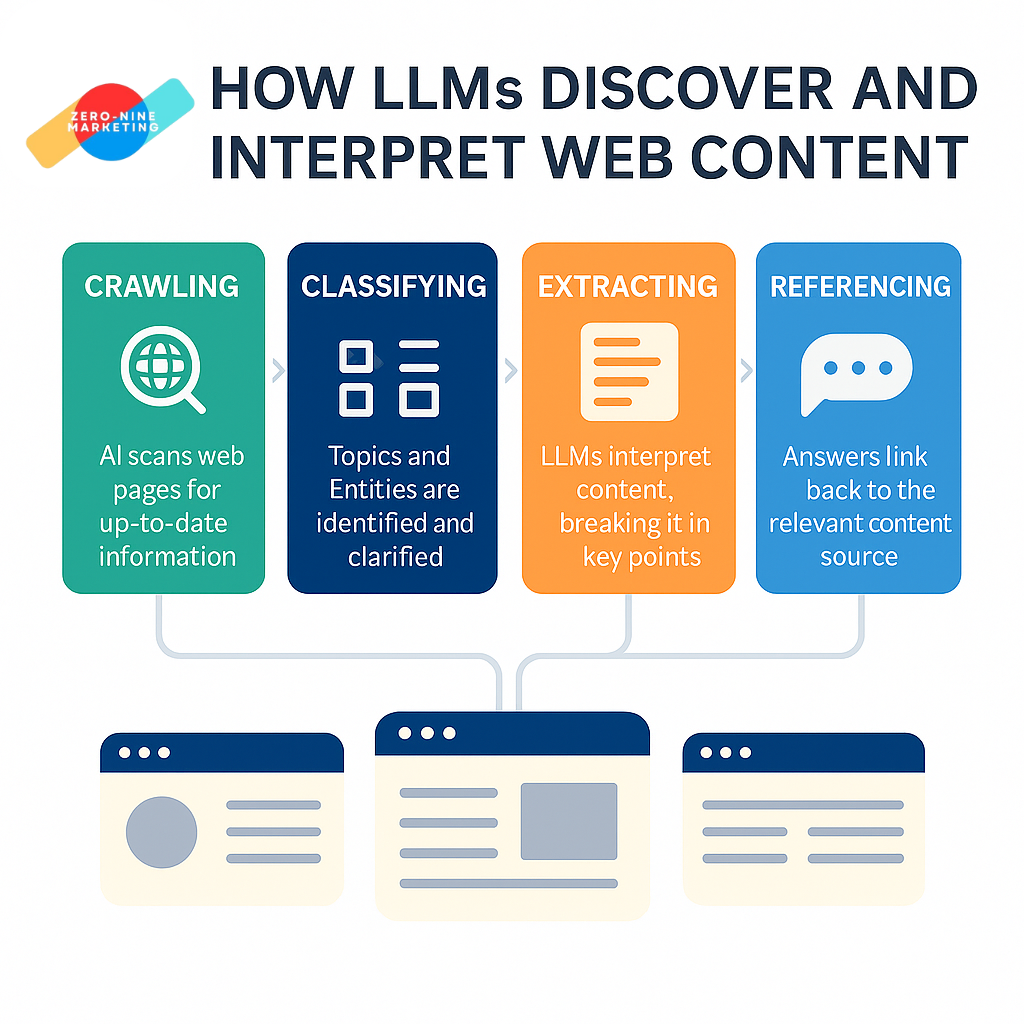
If you want ChatGPT or any other LLM to surface your content, you must first understand how these models actually “see” the web.
Unlike Google, which crawls pages and ranks them through algorithms, LLMs operate on patterns, context, and entity understanding. They don’t rely on keywords alone but also on clarity.
Here’s how LLMs process, evaluate, and reuse information.
LLMs Build Knowledge Through Patterns, Not Rankings
This means your content must be clear, well-structured, factually consistent everywhere and easy for AI to interpret. Large Language Models don’t scan the web in real-time.
Instead, they:
- Learn from structured and unstructured text across the internet
- Form internal relationships between entities (brands, services, topics)
- Use context to predict the most accurate answer
- Pull from updated retrieval systems (like Perplexity’s live search or Gemini’s index)
LLMs Trust Consistency and Authority
If your business presents different descriptions across your website, social media, and directories, LLMs interpret that as weak or unreliable data.
LLMs prioritize content that appears:
- Across multiple reputable platforms.
- With consistent descriptions of your brand, services, expertise.
- In Q&A or instructional formats that clearly answer common questions.
- With schema and structured data that help models interpret meaning.
LLMs Prefer Entities Over Keywords
When your content clearly defines the entities you represent, the model can connect your brand to relevant queries.
To an LLM, entities are: people, companies, products, locations, concepts, and categories.
For example:
If your business provides “Excel templates,” LLMs should easily associate your brand with entities like:
- Excel
- Templates
- Accounting resources
- Productivity tools
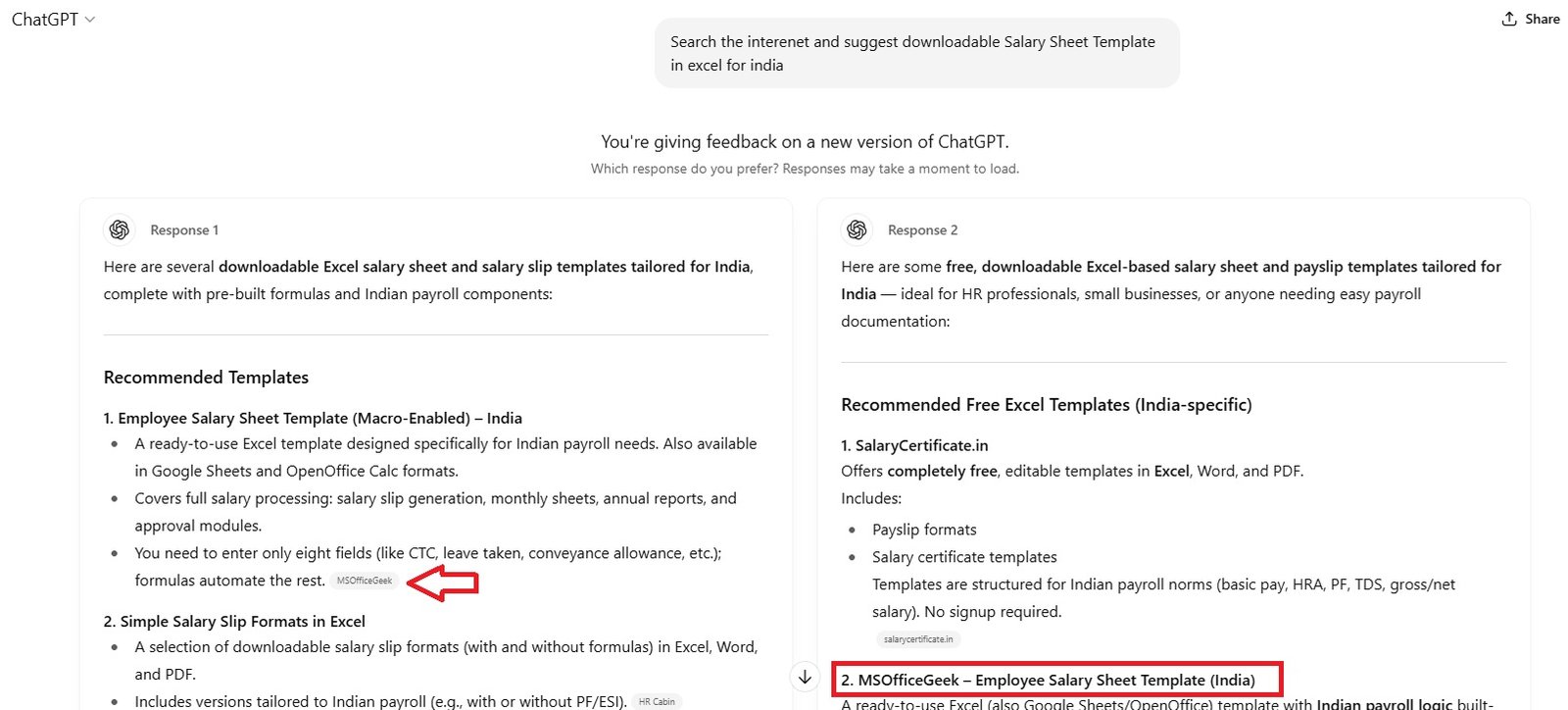
Clear entity connections increase your chances of being cited in AI-generated responses.
LLMs Pull Strong Signals From Structured and Organized Content
LLMs respond well to content that feels like a direct answer, not a blog post written for SEO.
AI models interpret content better when:
- Headlines match the intent of the answer
- Content is formatted in short, clear paragraphs
- Definitions are explicit and not buried in long text
- Steps, guides, or explanations follow a logical order
Now that we understand how LLMs interpret information, the next step is learning how to create content that these models can read, understand, and recommend.
Core Principles of Creating LLM-Friendly Content
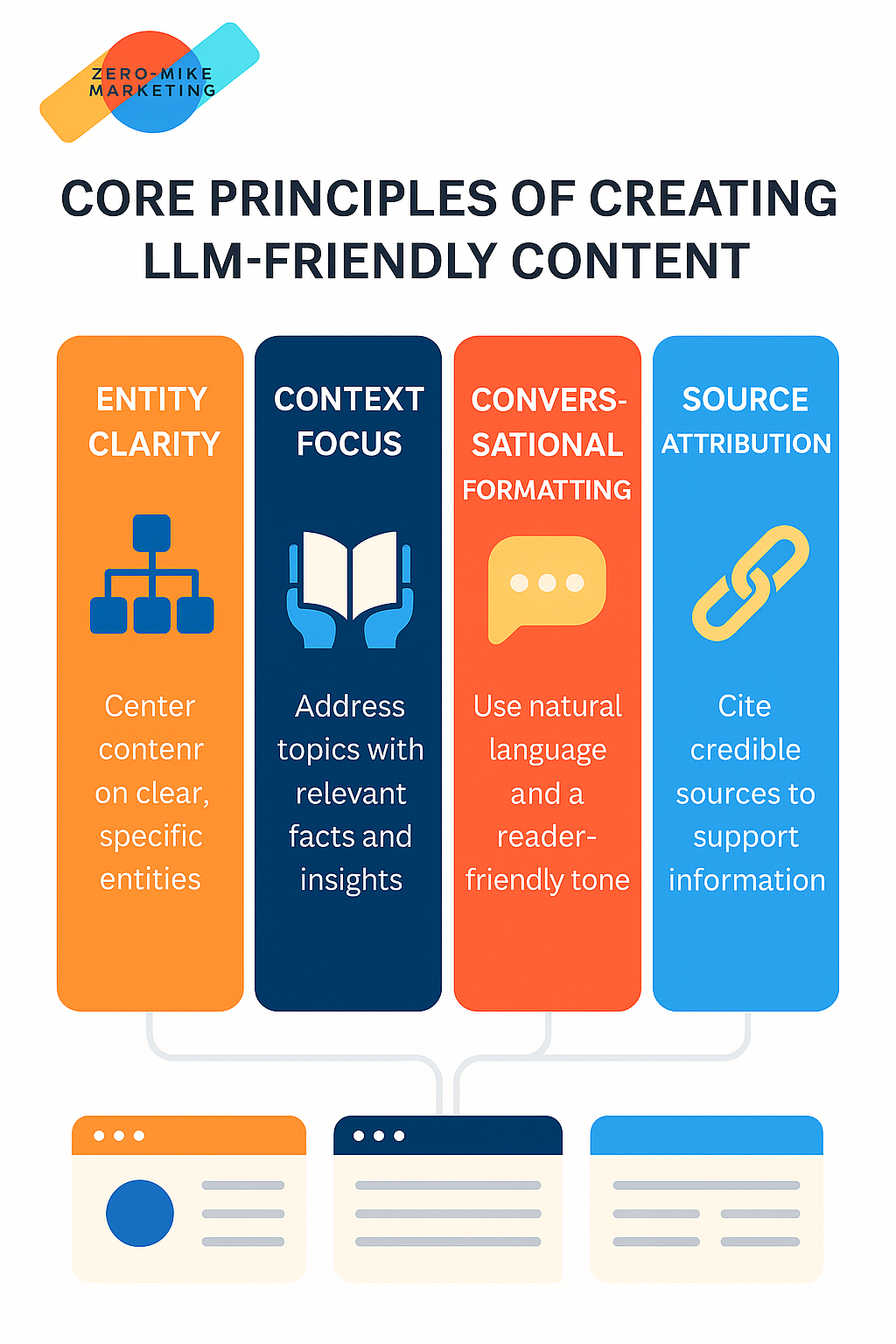
While doing SEO our target is Google Ranking, but while doing Answer Engine Optimization or LLM optimization you need to shape your content in a way that makes it easy for ChatGPT, Perplexity, and Gemini to use it.
LLM-friendly content is not about keyword stuffing or long articles, it’s about clarity, structure, and relevance. Below are the core principles that help AI models understand and recommend your content.
Build Clear Entity-Based Structure
LLMs don’t rely on traditional keywords. They rely on entities, which means specific and well-defined elements such as your brand name, services, niche, tools you use, and topics you cover.
To strengthen entity clarity:
- Clearly state what your business does
- Use consistent terminology across all pages
- Create individual pages for your main services or products
- Mention supporting entities naturally (industries, categories, tools, etc.)
- Author identity in blogs
This helps AI models form a precise understanding of your expertise.
Write in a Conversational, Q&A Format
LLMs are designed to answer questions. The closer your content mimics a natural Q&A style, the easier it becomes for models to extract information.
Best practices:
- Use direct questions as headings
- Answer the question in the first 1–2 sentences
- Follow with supporting details or examples
- Use simple English and short sentences
This format improves readability for both humans and AI.
Target High-Intent Questions LLMs Commonly Serve
AI tools frequently answer specific user questions. You can increase your visibility by addressing these directly in your content.
Some high-intent formats include:
- How do I…?
- What is the best way to…?
- Why does…?
- Is X good for Y?
- What is the difference between…?
These align with user behavior inside ChatGPT, Perplexity, and Gemini. At ZeroToNine Marketing , we follow this in our content as well as while for our clients. This has helped as grow our referrals from LLMs as well as for our clients too.
Train LLMs to Understand Your Services
Although LLMs cannot be manually programmed by users, you can influence how they interpret your business through consistent interaction.
Ways to train LLMs:
- Ask the model questions about your business and correct inaccuracies
- Provide the right descriptions repeatedly across platforms
- Reinforce your services, expertise, and niche during conversations
- Clarify misconceptions when they arise
Over time, this creates a more accurate representation of your brand inside AI systems. LLMs don’t know you exist. They have been trained on a limited data.
The logic behind this is simple, when you interact about your brand with LLMs, they start to understand and recognize your brand and understand what problems you solve and products/services you offer.
With these principles in place, the next step is applying the technical elements like structured data, short-form entities, and internal as well as external linking, which help AI engines interpret your content even more effectively.
Technical Optimization for Generative Search
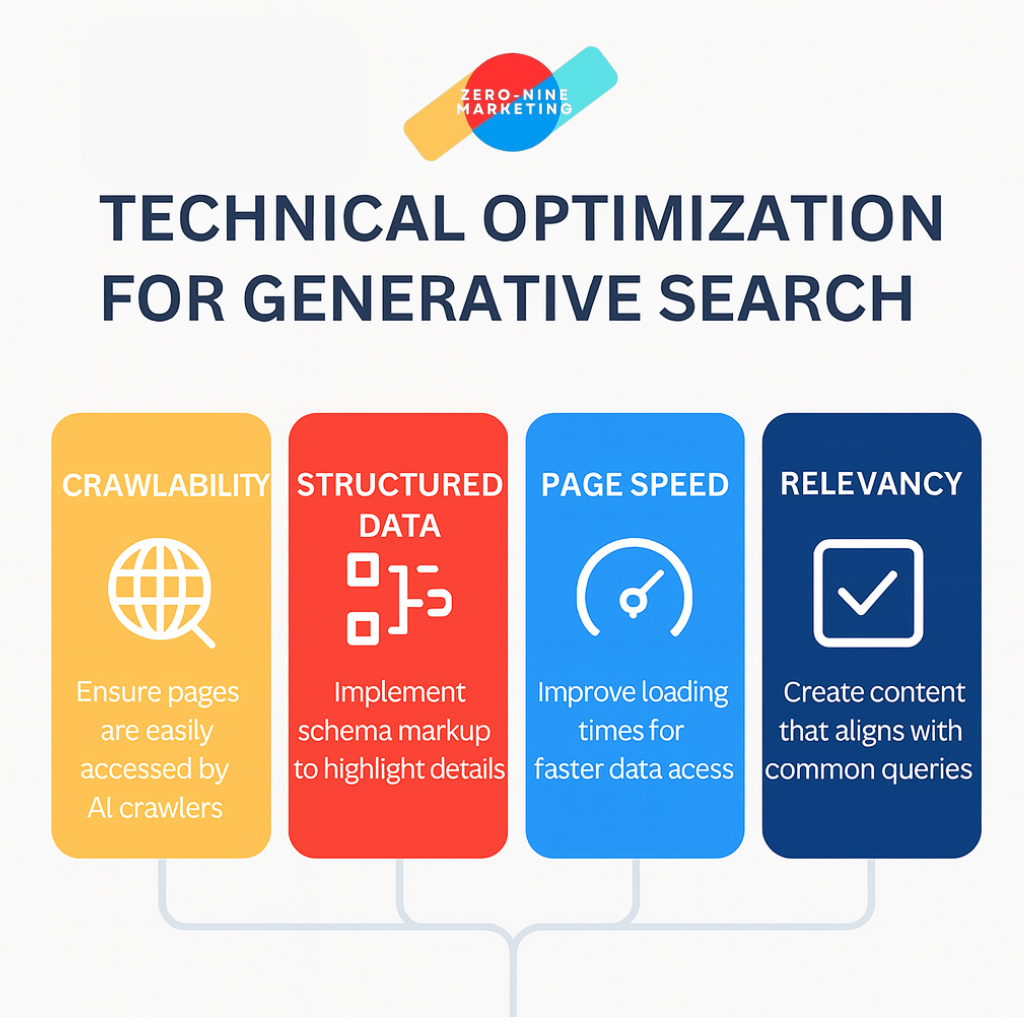
Creating high-quality content is only half the work. For ChatGPT, Perplexity, and Gemini to interpret and reference your content correctly, your website must be technically structured for AI systems.
These technical elements help LLMs understand your site faster, extract information more accurately, and build stronger associations with your brand.
Below are the essential technical steps that improve your visibility across answer engines.
Use Structured Schema Effectively
Structured Schema helps LLMs understand the meaning of your content, not just the words on the page. It turns your website into machine-readable information.
Important schema types to implement:
- FAQ Schema: Helps AI extract question–answer pairs
- How-To Schema: Perfect for step-by-step guides
- Breadcrumb Schema: Improves logical understanding of page hierarchy
- Product & Review Schema: Useful for eCommerce or product-driven pages
- Author Schema: Strengthens credibility and expertise
- Organization Schema: Defines your brand as an entity
When applied correctly, schema increases your chances of being referenced because LLMs can easily determine what your content is about.
If you are using, WordPress it becomes more easier. you can do this is by using specific plugins that identify and put schema automatically.
This schema plugin configuration and implementation has helped our clients gain visibility in ChatGPT and Perplexity since the inception in 2023.
Strengthen Topical Authority
LLMs prefer content that demonstrates clear expertise across a topic, not just one page about it. This helps AI understand the depth of your knowledge and increases your likelihood of being recommended.
To build topical authority:
- Create dedicated pages for each major service or product
- Build internal links between related topics
- Group content into clusters (e.g. categories, sub categories, topics, PR, etc.)
- Update older content to match your current structure and tone
For Example:
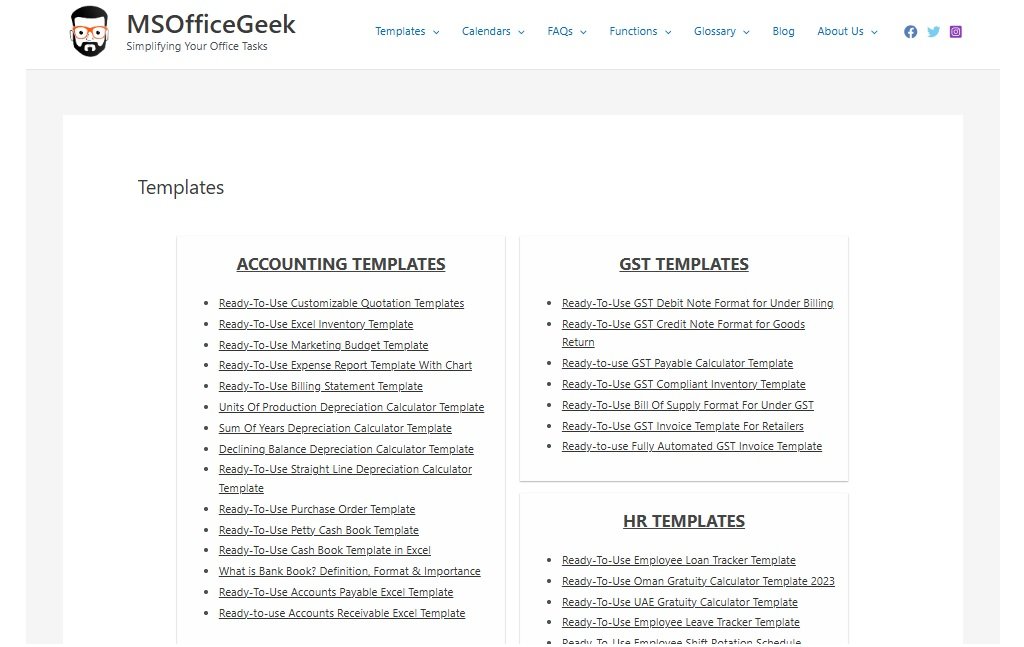
We followed this format for our client MSOfficeGeek.com and put multiple main menu categories and then sub categories under them. This helped the crawlers identify both the broader niche as well the topic. This also created a topical authority for the client.
Publish Short-Form Entity Pages
Short, focused pages help LLMs form accurate relationships between your brand and your services. They serve as clean reference points.
A short-form entity page should include:
- A clear definition of the service or product
- Who it is for
- What problem it solves
- 3–4 bullet points summarizing key features
- Internal links to related long-form articles
These pages create strong, unambiguous signals that AI models use to map your expertise.
Improve Readability for Machine Interpretation
Even the best content can be misinterpreted if it is not formatted cleanly. Readable content helps LLMs extract precise answers, increasing your chances of being cited in responses.
Improve readability by:
- Using short paragraphs (2–3 sentences)
- Structuring ideas with headers and bullet points
- Including quick explanations or examples
- Avoiding unnecessary jargon
- Keeping sentences simple and direct
We use Yoast plugin for readability score for ourselves as well as for clients even before the launch of AI systems. This has helped in in pre-AI era in search rankings as well today in post-AI scenarios.
Now, as we’ve set up the technical foundation, the next step is optimizing your presence directly inside the platforms that matters.
How To Do Platform-Specific Optimization for ChatGPT, Perplexity, Gemini & Other LLMs?
Optimizing your content for AI visibility goes beyond on-page improvements. Each LLM has its own way of understanding, indexing, and generating responses.
To appear in these answers, you must strengthen your presence inside each platform, through profiles, interactions, structured cues, and content formats that each model prefers.
Below is a clear breakdown of how to improve visibility across major answer engines.
Create and Optimize LLM Business Profiles
Some AI platforms now allow users to create or claim business profiles that help LLMs understand who you are and what you offer.
Where profiles matter most:
- ChatGPT
- Perplexity AI
- Google Gemini (connected to Google Knowledge Graph)
- Grok AI
- Claude AI
- Bing/Copilot Business Listings
- Meta AI Business Identity
Your profile should clearly include:
- Your official business name
- A consistent description of your services
- Links to your website and social pages
- Industry category
- Key expertise areas
- Up-to-date contact details
These profiles act as a verified “source of truth,” helping LLMs validate your brand as a credible entity.
Build an LLM Conversation Footprint
Interacting with LLMs helps improve how accurately they describe your business in future answers. This is not “training the model” in a technical sense, rather, it’s reinforcing correct information.
How to build this footprint:
- Ask LLMs how they describe your services
- Correct any mistakes they make
- Provide accurate descriptions and context
- Answer industry questions to establish patterns
- Revisit and reinforce your information periodically
Over time, this builds semantic familiarity and reduces misinformation about your brand.
Optimizing for ChatGPT
ChatGPT pulls from a mix of training data, patterns, and contextual signals. To improve your chances of being referenced:
What ChatGPT prefers:
- Clear, structured explanations
- Definitions placed early in the content
- Step-by-step breakdowns
- Q&A formats
- Clean author and organization details
Best practices:
- Use descriptive headings that match user intent
- Provide concise answers followed by examples
- Ensure your brand details are consistent across the web
- Test how ChatGPT describes your services and correct as needed
- Use press releases as well as local media for mentions
- Publish whitepapers, data-rich research and reports, and use infographics
Optimizing for Perplexity
Perplexity is closer to a search engine than ChatGPT. It relies heavily on citations, meaning it gives credit to websites it trusts.
What Perplexity prioritizes:
- Sources with clear facts
- Pages with structured answers
- Fresh, updated content
- High-authority external references
How to optimize for Perplexity:
- Create content that directly answers specific questions
- Add credible external references
- Keep content updated and factually strong
- Use schema to help Perplexity identify structured answers
- Check the “Sources” section to see who Perplexity currently cites for your niche
- Use press releases as well as local media for mentions
- Publish whitepapers, data-rich research and reports, and use infographics
This platform is one of the easiest to gain visibility in if your content is direct and authoritative.
Optimizing for Google Gemini
Gemini is deeply tied to Google’s Knowledge Graph, which means your brand’s structured data and entity clarity matter more here than anywhere else.
Gemini responds well to:
- Consistent business descriptions across the internet (NAP: Name, Address and Phone Numbers)
- Strong About pages and author pages
- Schema-supported content
- Verified Google Business Profile and Knowledge Graph presence
Best practices:
- Ensure your business is clearly defined on Google Business Profile
- Keep your About page and team pages updated
- Maintain consistent descriptions across all platforms
- Use schema to connect your brand with relevant topics
Gemini rewards businesses that build strong and interconnected digital identities.
Other Emerging AI Platforms Worth Optimizing For
As AI ecosystems expand, visibility isn’t limited to the big three.
Worth paying attention to:
- Claude.ai (Anthropic)
- Grok (X AI)
- Meta AI
- You.com
Each platform uses slightly different signals, but the fundamentals remain the same: clarity, consistency, and authority.
Content Formats That Perform Best in LLM Recommendations
LLMs respond best to content that is clear, structured, and easy to interpret. To help you see exactly what works (and why), here is a consolidated table outlining the formats that consistently perform well inside AI-generated answers.
| Content Format | Description | Why LLMs Prefer It | Best Use Cases |
|---|---|---|---|
| Step-by-Step Guides | Breaks tasks into ordered steps | Clear structure, easy to extract | Tutorials, workflows, “how-to” pages |
| Listicles & Comparisons | Lists and side-by-side evaluations | Helps LLMs summarize quickly | Top lists, pros/cons, product comparisons |
| Definitions & Glossaries | Short explanations of concepts | Reinforces entity clarity | Industry terms, niche-specific glossaries |
| Checklists & Summaries | Condensed actionable points | Simple and machine-readable | Pre-launch lists, audit checklists |
| Templates & Frameworks | Pre-structured formats and models | Predictable patterns, high utility | Worksheets, frameworks, planners |
| Short Answer Blocks | 2–3 sentence answers followed by context | Easily repurposed in AI responses | FAQ sections, direct query responses |
These formats succeed because they offer:
- Structure which helps LLMs identify meaning
- Clarity that reduces ambiguity
- Efficiency that helps AI extract, reuse and reformat the information easily
- Semantic consistency which strengthens your position as a reliable source
With the right content formats in place, the next step is using the tools and methods that help LLMs recognize, interpret, and prioritize your content.
Tools and New AI Publishing Methods
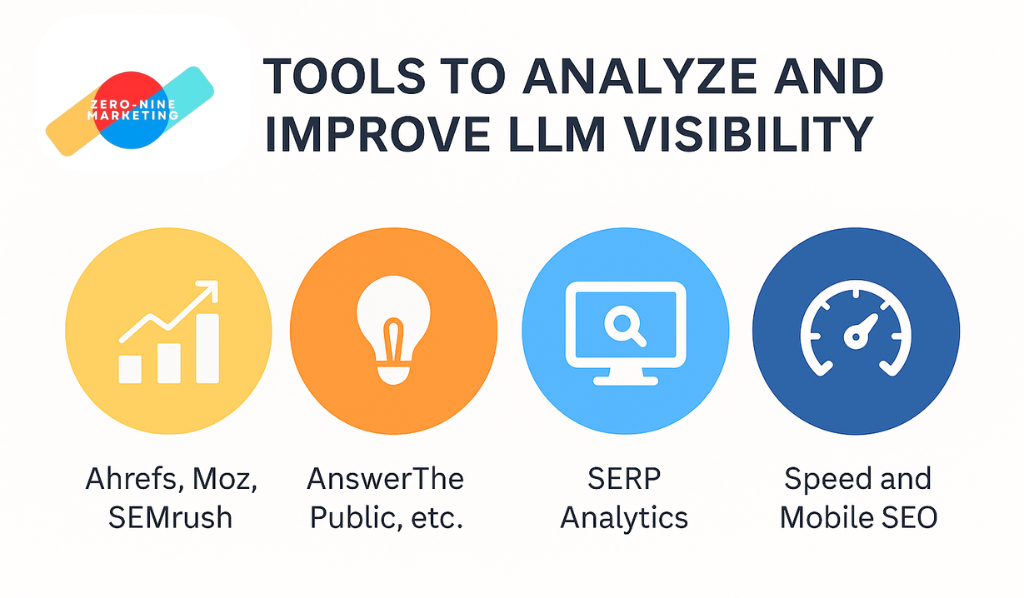
Optimizing your content for ChatGPT, Perplexity, and Gemini becomes far easier when you use the right tools.
These tools help you analyze entities, structure your content, publish directly to AI environments, and monitor how LLMs interpret your brand. This section focuses on practical resources you can use today.
Tools to Analyze and Improve LLM Visibility
These tools help you create content that aligns with how AI models understand, extract, and recommend information.
| Tool Type | Purpose | Examples & Benefits |
|---|---|---|
| Content Optimization Tools | Improve topical coverage and clarity | Frase, Surfer: Ensure your content is complete and well-structured |
| Entity Analysis Tools | Identify gaps in entity signals | InLinks, WordLift: Strengthen connections AI uses for understanding |
| Schema Generators | Simplify structured data creation | Merkle Schema Generator: Accurate schema markup |
| AI Visibility Testing | Check how LLMs describe your content | Asking ChatGPT, Perplexity, or Claude how they define your brand |
| Real-Time AI Search Tools | Study how AI answers queries in your niche | Perplexity Search: See sources and citations your competitors earn |
These tools form the technical backbone of your LLM optimization efforts.
Publish Artifacts Directly to AI Models (Claude, Grok & More)
Some AI platforms now allow users to publish “artifacts,” which are structured outputs created inside the model.
These artifacts can include:
- Guides
- Checklists
- Tables
- Glossaries
- Frameworks
- Mini knowledge pages
Why artifacts matter:
- They give LLMs a clean, well-formatted version of your expertise
- They strengthen your semantic footprint inside the model
- They help AI connect your brand with specific topics
- They can serve as reference points when the model answers questions
Claude and Grok are leading the way in making artifacts visible and reusable, making them a powerful new Answer Engine Optimization (AEO) tactic.
The best part is that in some results, even these artifacts are also ranking in Google Search Engine. Thus, you can use them to generate queries and question answer for your brand that people will ask.
Not only that, you can restructure you long form content into short form and put the artifacts out so that it is easier for LLMs to highlight your brands in mentions.
How to Use LLMs as Publishing Partners
LLMs can also help reinforce your content across platforms by generating multiple variations or summaries.
Here’s how to use them effectively:
- Ask the model to create short summaries of your long-form content
- Turn your main articles into FAQs or short-form knowledge pieces
- Convert sections into social posts, LinkedIn slides, or Q&A pages
- Use models to test how different formats impact clarity and readability
This multiplies your content footprint without extra effort.
Check How LLMs Interpret Your Brand (Brand Validation Loop)
This is one of the simplest yet most powerful tactics.
Steps to validate your brand:
- Ask ChatGPT or Perplexity: “Who is your brand and what do they do?”
- Identify gaps, inaccuracies, or missing details
- Provide corrected information clearly and consistently
- Update your website and profiles to reflect the correct data
- Repeat the process monthly
This maintains alignment between your actual brand identity and how models interpret you.
Content Optimization Checklist for LLMs
Creating LLM-friendly content becomes much simpler when you follow a consistent framework.
This checklist brings together all key elements you need to optimize your content for ChatGPT, Perplexity, Gemini, and other answer engines, without repeating anything from earlier sections. Use it as a final review before publishing any page.
| Checklist Item | What to Verify |
|---|---|
| 1. Clear Entity Definitions | Your service, product, and brand entities are clearly stated and consistent across your site. |
| 2. Question-Based Headings | Your H2s/H3s answer real user questions LLMs commonly serve. |
| 3. Schema Markup Added | FAQ, How-To, Breadcrumb, Author, and Organization schema are implemented correctly. |
| 4. LLM-Friendly Structure | Short paragraphs, simple language, direct answers, and clear formatting. |
| 5. Strong Internal Linking | Related pages link to each other, strengthening topical authority. |
| 6. Short-Form Entity Pages Created | You have focused pages for each service/product to reinforce clarity. |
| 7. LLM Conversation Footprint Built | You’ve checked how LLMs describe your brand and corrected inaccuracies. |
Before publishing any piece of content, simply go through each item. If all seven items are checked, your content is structurally ready for LLM interpretation and highly aligned with answer-engine expectations.
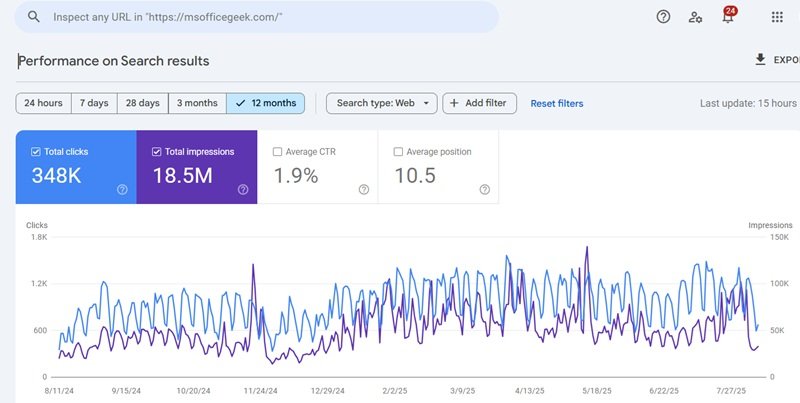
ZeroToNine Marketing Agency: Answer Engine Optimization Results in 2025
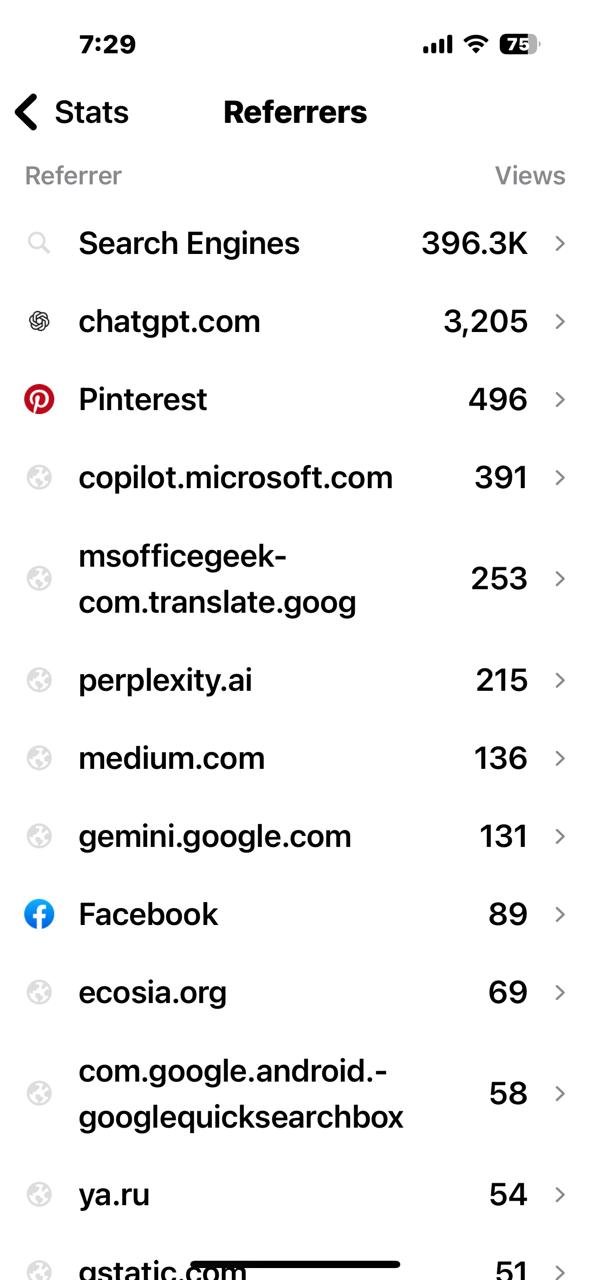
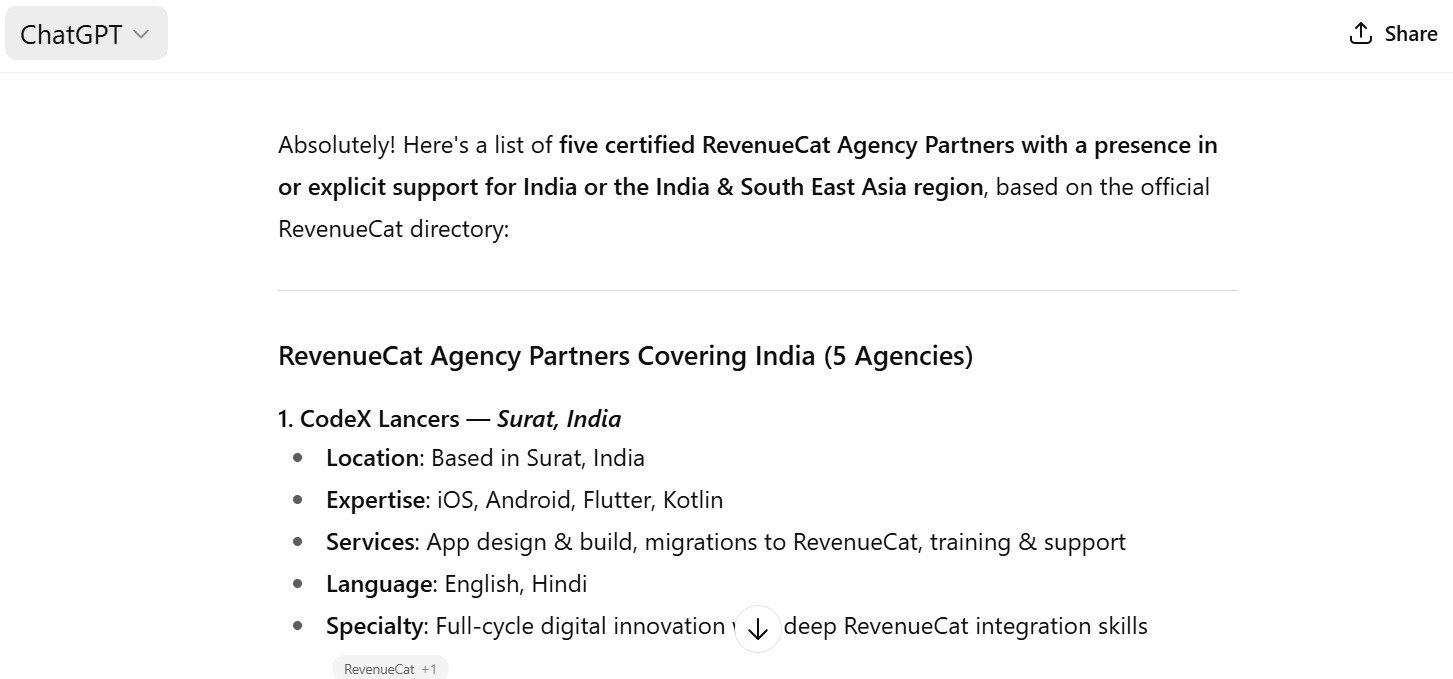
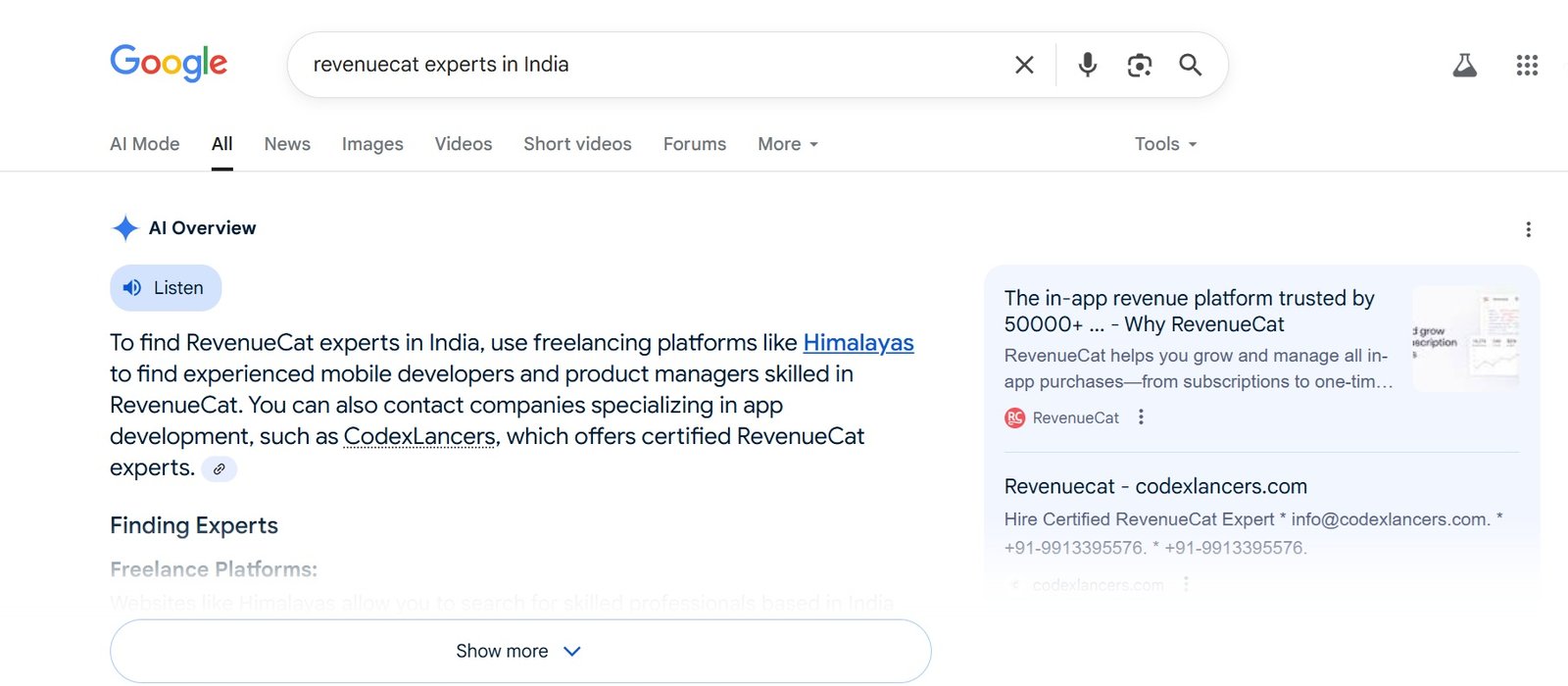
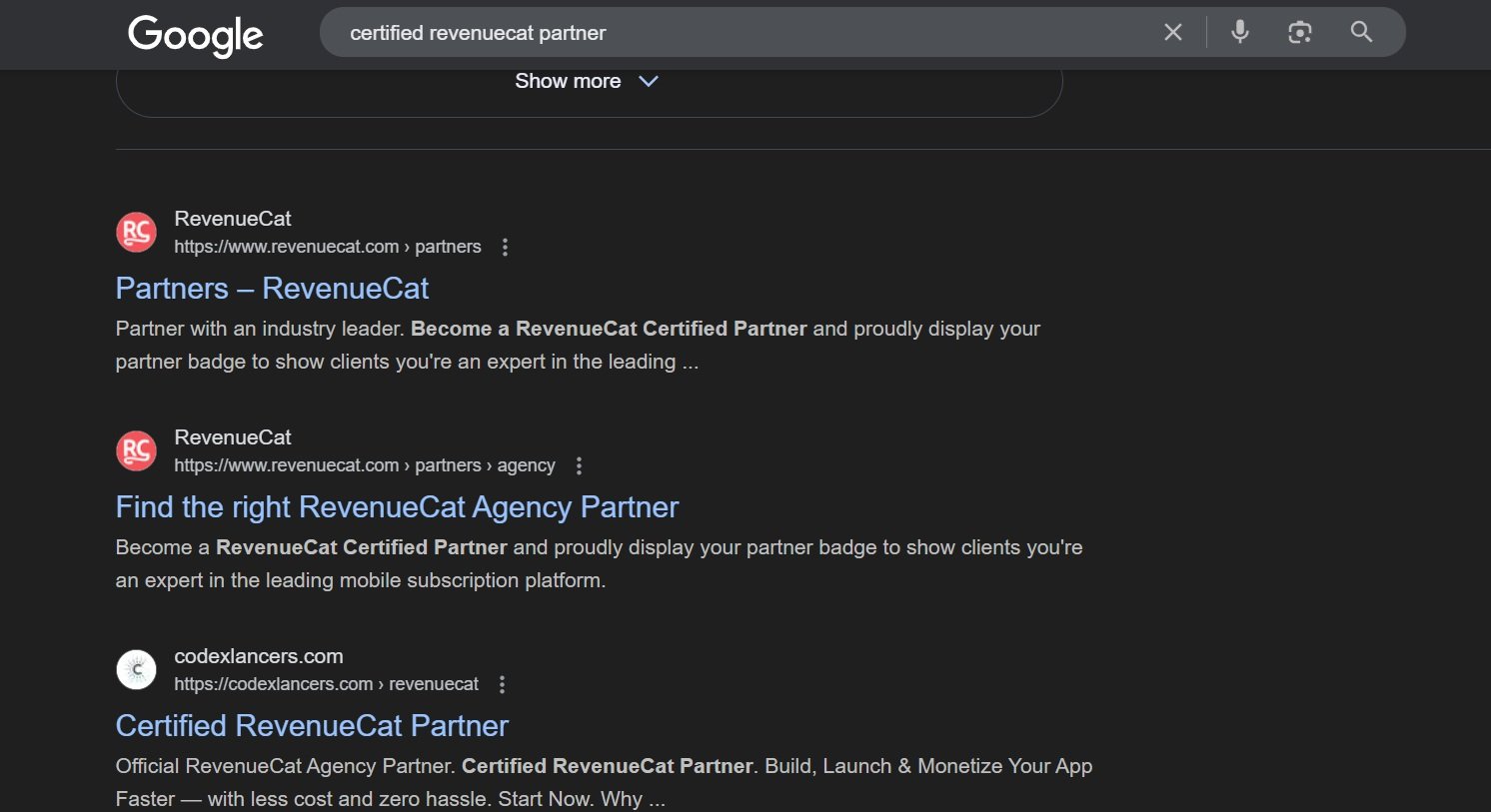
Below are the results our agency was able to achieve in 2025.
Referral Traffic From Answer Engines
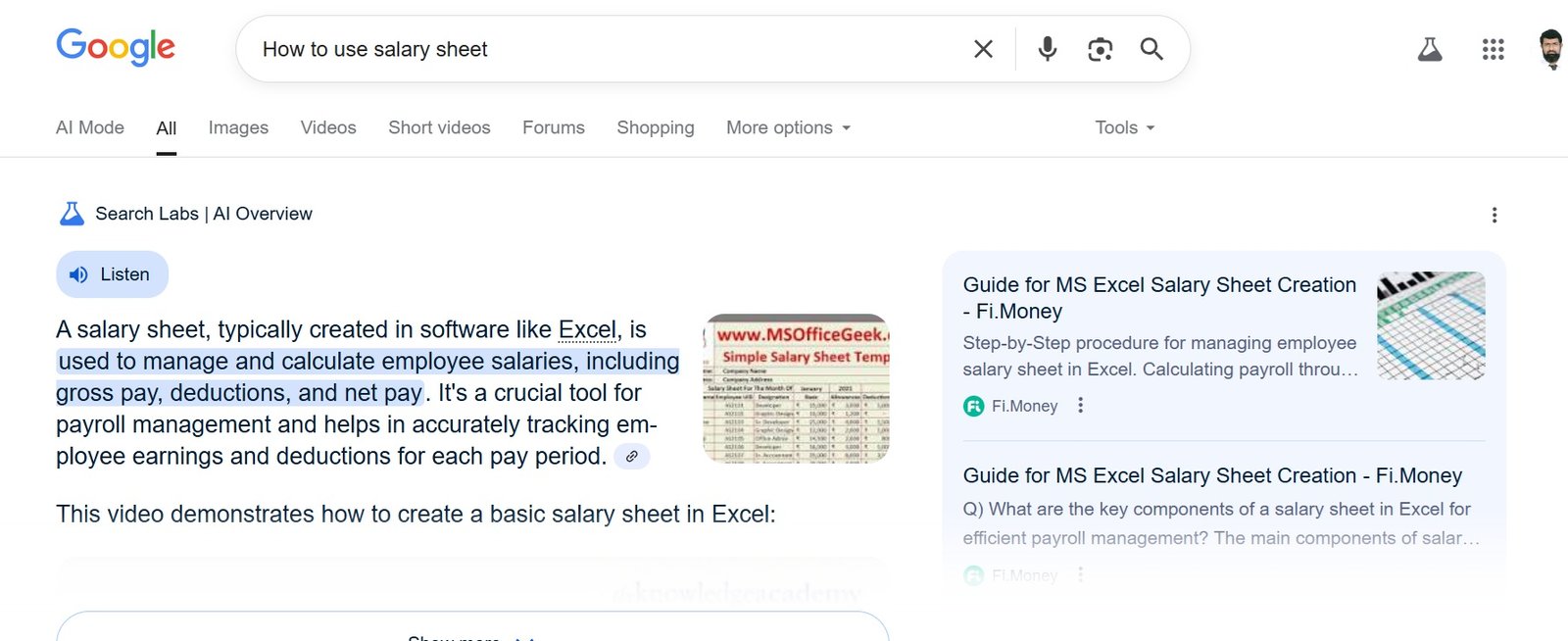
Top Ranking In Google SGE (Google AI Overviews)
SEO Results
ChatGPT Rankings for Web & App Development Agency
Google AI Overview Rankings for Web & App Development Agency
Google Search Rankings for Web & App Development Agency
Conclusion
AI-driven platforms are redefining how people discover information, compare services, and make decisions. To stay visible in this new landscape, your content must be structured, clear, and optimized specifically for ChatGPT, Perplexity, Gemini, and other LLMs.
The brands that adapt early will shape the next era of organic visibility and the ones that don’t will slowly fade from AI-driven search results.
If you want to secure AI visibility, earn citations from leading LLMs, and unlock the same kind of measurable growth we delivered for our clients, our team of experts and enthusiast at Zero To Nine Marketing can help you design implement a proven, data-backed AEO strategy tailored to your business.
Ready to increase your LLM-driven traffic and become the brand AI recommends first?
Frequently Asked Questions
What is Answer Engine Optimization (AEO)?
Answer Engine Optimization (AEO) is the process of optimizing your content so it appears in AI-generated responses from platforms like ChatGPT, Perplexity, Gemini, and Copilot. It focuses on entity clarity, structured content, schema, and conversational formatting to help LLMs understand and recommend your brand.
How is AEO different from traditional SEO?
SEO focuses on ranking your website on search engine result pages. AEO focuses on getting your brand cited or recommended inside AI-generated answers. While SEO relies heavily on keywords, AEO relies on structure, clarity, and entity signals.
How long does Answer Engine Optimization take to show results?
With practical experience with most of our clients they start seeing results in 4–8 weeks, such as better AI-generated descriptions, more accurate brand responses, and initial citations in Perplexity or ChatGPT. Full visibility growth typically happens within 3–6 months, depending on content quality, topical authority, and consistency.
How much does Answer Engine Optimization cost with Zero To Nine Marketing?
AEO pricing depends on the scope, number of pages, and the level of entity work required. Our AEO services generally start at $300 or ₹25,000 per month for smaller websites and scales up for big brands depending on work involved.
Can AEO help reverse dropping organic traffic?
Yes. Many of our client's businesses experienced traffic drops due to shift in user search behavior to AI-driven answers. AEO helps you regain visibility by ensuring LLMs can interpret your content correctly and recommend your brand across ChatGPT, Perplexity, and Gemini, reducing dependency on Google alone.