
With more people searching “near me” than ever before, showing up in those moments can be the difference between a sale and being passed over. This Local SEO Guide 2026 is designed to equip you with the latest strategies and insights to enhance your online presence and attract local customers effectively.
Here are some hard numbers:
- Nearly 46% of all Google searches have local intent, meaning users are specifically searching for businesses or services in their area. (All in One SEO)
- When people use “near me”‐type queries, 76% visit a business within a day, and about 28% of those searches lead to a purchase. (Backlinko)
- Over the past couple of years, mobile searches containing phrases like “can I buy … near me” or “to buy … near me” have surged by 500%, a strong signal that users are ready to act immediately. (SeoProfy)
These are not just trends, they’re calls to action. If your business isn’t optimized for “near me” search behavior in 2026, you’re missing out on customers who are already looking for what you offer.
TL;DR – Key Takeaways
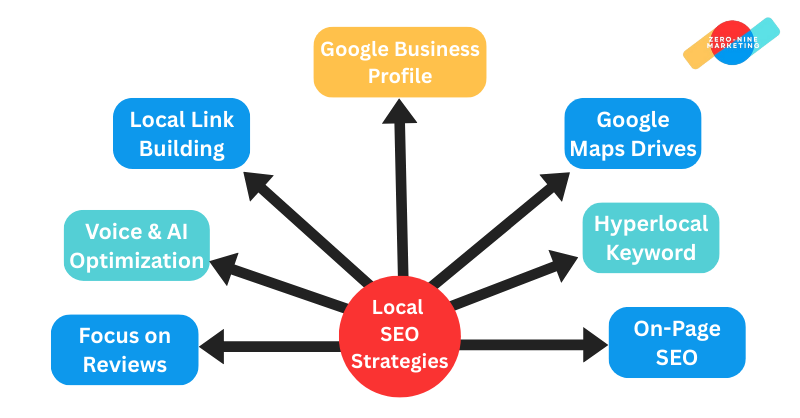
- Optimize Your Google Business Profile: Complete all fields, add products/services, post regularly, and track clicks with UTM tags.
- Show Up on Google Maps: Verify pin placement, add hours, and encourage customers to leave photos and ratings.
- Do Hyperlocal Keyword Research: Target long-tail “near me” phrases and create city/neighborhood-specific landing pages.
- Maintain NAP Consistency: Ensure business info matches across directories and add Local Business schema.
- Double Down on Reviews: Build a review funnel, respond to feedback, and showcase testimonials.
- Leverage Voice Search & AI Optimization: Add FAQ sections, conversational content, and schema to target AI overviews.
- Build Local Links: Partner with local influencers, get PR mentions, and sponsor events for backlinks.
- Monitor & Optimize Continuously: Track rankings, calls, and directions using GBP Insights, GSC, and GA4.
Free Download Local SEO Guide 2026
Click the link below to download:
Evolution of “Near Me” Searches
“Near me” searches have evolved from convenience to default behavior for millions of users. If someone wants a service, store, or restaurant today, their first instinct is to search on their phone and expect instant, hyper-local results.
To stay competitive, businesses must understand how search patterns are shifting—and how Google decides who gets the prime spots.
What Are “Near Me” Searches?
These are searches where users are specifically looking for businesses close to them, either by typing phrases like “near me”, “close by”, or “near [city name]”, or by simply searching for a product/service while Google uses their location to deliver local results.
Here is how the people’s search behavior has changed recently:
- More than 20% of the global population now uses voice search regularly. There are now over 8.4 billion voice-enabled devices worldwide, driving massive growth in conversational queries.
- Moreover to that, over half of all voice searches happen on smartphones, making local visibility critical for on-the-go users.
Source: DemandSage
Now, this simply means that users are searching faster, more conversationally, and with immediate intent. They aren’t just exploring options but they’re ready to buy, book, or visit, often within hours of the search.
This intensity is enough for each business owner to understand the dire need for taking local SEO seriously.
Google’s Local Ranking Signals
Google’s algorithm prioritizes three major factors for local search results:
- Proximity: How physically close your business is to the searcher. You can’t control where they are, but you can ensure your business address and service areas are accurate.
- Relevance: How closely your profile, website, and content match the query. Choosing the right GBP categories and optimizing your service pages plays a huge role here.
- Prominence: How authoritative and trustworthy your business appears. Reviews, local backlinks, citations, and even social mentions help Google gauge your reputation.
The message is clear: to dominate “near me” searches, you must send the right signals to Google and deliver exactly what users are looking for.
Now, let’s move into the first important step in local SEO which is optimizing your Google Business Profile for maximum local visibility.
Step 1 – Google Business Profile (GBP)
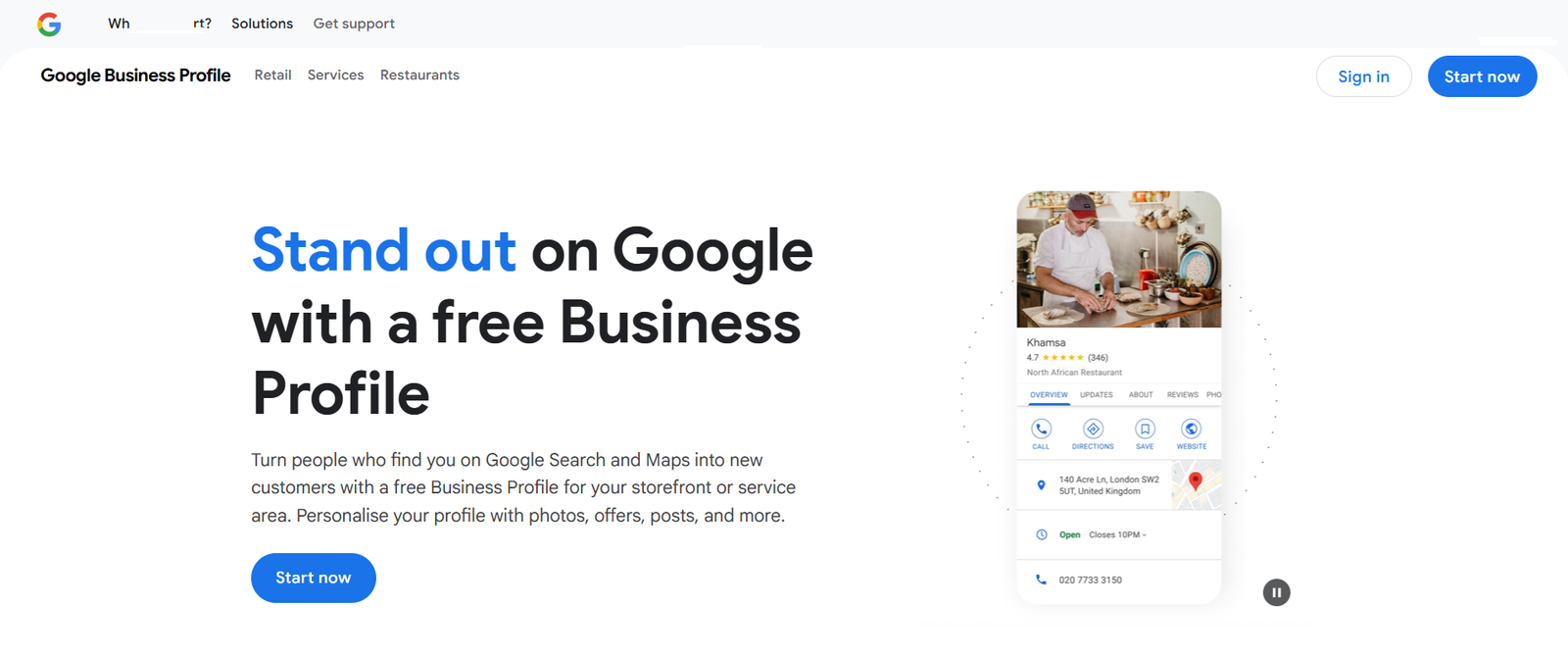
Your Google Business Profile (GBP) is the single most important tool for showing up in “near me” searches. Consider your e-store on Google. It’s the first thing potential customers see when they search for businesses like yours.
A fully optimized profile not only improves your rankings but also makes people more likely to click, call, and visit.
But how do we know that we have optimized our Google Business Profile properly?
How To Accurately Build Your Google Business Profile?
Follow these step to optimize your Google Business Profile.
- NAP Accuracy (Name, Address, Phone): Your basic business info must be correct and consistent everywhere — not just on GBP but across all directories and your website. Even small errors can cost you visibility.
- Choose the Right Categories & Attributes: Google lets you pick a primary category and multiple secondary categories. Choose the one that best represents your main business, then add supporting categories for all your services. Attributes like “women-owned,” “wheelchair accessible,” or “outdoor seating” can also influence clicks.
- Write an Optimized Description: Craft a clear, keyword-rich business description that tells customers exactly what you do and where you serve. Keep it natural and customer-focused.
- Adding Products/Services Properly: You need to list all key products and services with accurate names and short, compelling descriptions. Include pricing if relevant because transparency builds trust. Use important keywords in your descriptions to improve relevance and don’t forget to regularly update this section to reflect new offerings or seasonal specials.
- Upload High-Quality Photos & Videos: Businesses with photos get significantly more clicks and requests for directions. Include exterior, interior, staff, and product photos.
- Manage the Q&A Section: Proactively answer common customer questions so users don’t get incorrect info from others.
- Post Updates, Offers & Events: Regular posts keep your profile fresh and signal to Google that your business is active.
- Use UTM Parameters: Tag the links in your profile to track how much traffic and conversions GBP is generating through Google Analytics and GA4.create a custom tracking URL with UTMs and replace your primary website URL in the profile’s “Info” section.
Thus, when your GBP is properly set up, you’re delivering the information that users need to make quick decisions.
Next, let’s explore how Google Maps drives real-world foot traffic and why optimizing for Maps can give you a competitive edge.
Step 2 – Google Maps Drives
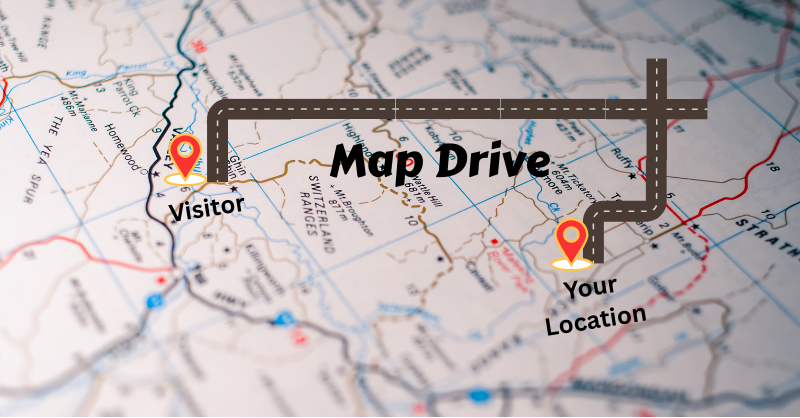
Showing up on Google Maps isn’t just nice to have — it’s one of the most powerful drivers of real-world visits.
When users search “near me,” Google Maps often dominates the results, showing them businesses pinned on a map along with reviews, photos, and directions.
If your business isn’t visible or isn’t optimized, you’re losing out on high-intent customers who are literally ready to walk through your door.
Why Google Maps Is a Key Driver of Foot Traffic?
Think about your own habits. When you’re looking for a near by restaurant, salon, or repair shop, you’re likely checking in Google Search first, not scrolling through websites.
According to Google, 76% of people who search for something visit a related business within 24 hours, and nearly 28% of those searches result in a purchase.
This indicates the significant influence of local searches on driving immediate consumer action and purchases, making local SEO crucial for businesses.
How To Optimize Your Maps Visibility
- Verify Pin Placement & Service Area: Make sure your business pin is exactly where it should be. Incorrect placement can frustrate users and cost you visits.
- Update Hours & Special Hours: Keep your opening and holiday hours accurate. Google shows “Closed” or “Opens Soon” tags prominently.
- Encourage Photos & Ratings: User-generated photos and reviews boost engagement and build trust. A visually rich profile attracts more clicks.
- Your Google Business Profile offers powerful Maps insights you can use to measure real-world impact.
- Direction Requests: See where people are asking directions from and identify potential new service areas.
- Call & Website Click Data: Track engagement directly from Maps results.
- Peak Time Data: Use Google’s “Popular Times” to plan staffing and promotions during busy hours.
Properly optimized Google Maps is like having a glowing sign on the busiest street corner in town, but better, because it reaches people exactly when they’re searching for you.
Strategies To Increase Map Drives on Your Location
Before we get into strategies, it is necessary to understand what signals Google to recommend your business. When someone uses map location on your Google Business Profile or from the Google Maps, it sends signals to recommend you.
Secondly, the more people drive to your location, it sends Google signal that this place is popular. Additionally, more reviews means more trust.
As a local business owner, you very well know that asking some to drive using Google Maps or ask someone to give reviews.
Here is what you can do to simplify this process:
- During your off-peak hours, you can set up an unbelievable offer which will encourage people to search for your name on Google Maps. In turn , this will increase the chances for your business to be recommended.
- Reward your customers to use Google Maps to drive to your location and then provide a review.
- Lastly, you can use our Map Drive services for increasing your map drives during off-peak hours and even peak hours.
- Send SMS or WhatsApp Messages to your clients upon booking with your map link and encourage them to drive by following the link by offering a special treat or discount. This will increase your credibility in Google.
Step 3 – Ultra Focus on Reviews
Reviews are no longer just a nice-to-have — they are the currency of trust in the digital age. Google treats them as a major local ranking factor, and customers rely on them to make quick decisions.
In fact, 88% of consumers would use a business that replies to all of its reviews, compared to just 47% who would use a business that doesn’t respond to reviews at all. (BrightLocal, 2024).
If your competitor has a higher star rating or more recent reviews, you’re already losing clicks — and customers.
Why Reviews Matter for SEO & Conversions
- Boosts Local Pack Rankings: Google’s algorithm favors businesses with frequent, positive reviews.
- Improves Click-Through Rate: A 4.8-star business with 300+ reviews simply gets more clicks than one with a 3.9 rating.
- Builds Instant Trust: Reviews give hesitant buyers the confidence to act faster.
Actionable Review Strategies
- Ask at the Right Time: Prompt happy customers right after a successful transaction — when satisfaction is highest.
- Make It Easy: Share direct review links via email, WhatsApp, or SMS to reduce friction.
- Respond to Every Review: Whether positive or negative, responses show you value feedback and care about your customers.
- Turn Negatives into Opportunities: Thoughtful replies to poor reviews can turn a bad experience into a loyal customer.
- Showcase Reviews Everywhere: Highlight top reviews on your website, social media, and even in-store to reinforce credibility.
- Channel Proper Incentives for Reviews: Incentivize your customers for an immediate discount or a free desert. You can also incentivize your team to collect reviews as part of their workflow. For example, setting a goal of X new reviews per week.
Putting reviews at the center of your local SEO strategy is like turning your happy customers into a free marketing team.
Step 4 – Hyperlocal Keyword Research & Content Strategy
Winning “near me” searches isn’t just about having a great profile, it’s about targeting the exact phrases your potential customers are using. This is where hyperlocal keyword research comes in.
Finding the Right Keywords
Your goal is to uncover search terms that combine service + location + intent.
- Use the Right Tools: Google Keyword Planner, Ahrefs, and Google Search Console can reveal valuable local search opportunities.
- Focus on Long-Tail & Conversational Phrases: Instead of targeting just “plumber,” look for “emergency plumber near me” or “water heater repair in [city].”
- Don’t Forget Voice Search Data: Voice queries are longer and more conversational. Identify questions like “Who is the best dentist near me?” and build content that answers them.
Creating Location-Specific Content
Once you have your keyword list, create content that matches searcher intent.
- Service Area Landing Pages: Build optimized pages for each location you serve. Include unique copy, local photos, and testimonials — avoid duplicate content.
- Hyperlocal Blog Posts: Cover neighborhood events, local partnerships, or guides like “Top 10 Weekend Activities in [City].” This builds relevance and local authority.
- Embed Maps & CTAs: Make it easy for users to get directions or call directly from the page.
When done right, this strategy helps you not just rank for “near me” searches, but dominate them — by matching exactly what people are looking for in your area.
With your keyword and content strategy in place, the next step is ensuring your business information is consistent everywhere online. Let’s talk about NAP consistency, citations, and local listings.
Step 5 – NAP Consistency, Citations & Local Listings
Even the best-optimized website and GBP can struggle to rank if your business information isn’t consistent across the web.
Search engines rely on your Name, Address, and Phone number (NAP) to verify that your business is legitimate, and inconsistency can confuse both Google and your customers.
Why NAP Consistency Matters
When your NAP is identical everywhere — from your website to directories like Yelp and Yellow Pages, it sends a strong trust signal to Google. Inconsistent listings can lead to lower rankings and lost business.
Pro Tip: Audit your citations quarterly. Even a small mismatch like “Street” vs. “St.” can cause issues.
Building Citations
Citations are mentions of your business across directories, review sites, and local listings.
- Start with Top Directories: Google Maps, Yelp, Bing Places, YellowPages, and Facebook.
- Leverage Automation Tools: Platforms like BrightLocal, Moz Local, and Yext can help you find incorrect listings and fix them at scale.
- Niche Directories: If you’re in a specific industry (like healthcare, legal, or hospitality), submit your business to niche directories for extra relevance.
Schema Markup
Structured data helps search engines better understand your business information.
- Add Local Business Schema: Include NAP, business hours, and geo-coordinates in your site’s code.
- Enhance with Review & FAQ Schema: This can get you review stars and FAQs shown directly in search results — boosting click-through rates.
A strong citation and schema strategy builds trust with search engines and users, giving you a solid foundation for local rankings.
Now that your business info is consistent and verified everywhere, let’s turn our attention to your website itself and how to optimize on-page elements for maximum local SEO impact.
Step 6 – On-Page SEO for Local
Your website is the anchor of your local SEO strategy. Even with a perfectly optimized Google Business Profile and consistent citations, if your site doesn’t reinforce your local relevance, you’ll struggle to rank in competitive markets.
Optimizing Page Elements
Start with the basics — but do them exceptionally well.
- Geo-Targeted Title Tags & Meta Descriptions: Include your target city or neighborhood naturally (e.g., “Affordable Dentist in Austin | Smile Dental”).
- H1s & H2s: Add location keywords where appropriate, but avoid keyword stuffing — keep it human-readable.
- Alt Text & Image Names: Describe images with local context where possible (e.g., “team-at-downtown-austin-dental-clinic.jpg”).
Improving User Experience
Google rewards websites that deliver a smooth, engaging experience — especially on mobile.
- Embed Google Maps: Make it easy for users to find you with a clickable map.
- Click-to-Call Buttons: Particularly for mobile visitors, this reduces friction and drives conversions.
- Site Speed & Core Web Vitals: A fast, responsive site keeps users engaged and improves rankings.
When your website aligns with your GBP and citations, it reinforces your local authority and improves your chances of showing up in the local pack.
With a strong review presence building trust and authority, your next opportunity is to capture users searching with voice assistants and AI-driven search results.
Let’s look at how to optimize for these emerging search behaviors.
Step 7 – Voice Search & AI Optimization

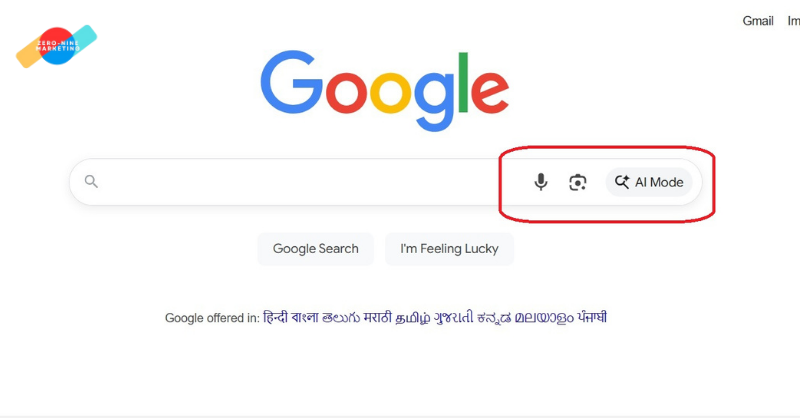
Voice search and AI-powered results are no longer “the future” — they’re here, and they’re reshaping how users discover local businesses. In 2026, optimizing for voice and AI isn’t optional if you want to win “near me” searches.
Understanding Conversational Queries
Voice searches tend to be longer, more natural, and framed as questions. Instead of typing “best hair salon Chicago”, a user might ask, “Hey Google, what’s the best hair salon near me that’s open right now?”
AI-powered search experiences — like Google’s Search Generative Experience (SGE) — pull answers directly from high-quality, well-structured content. If your business isn’t optimized, you risk being left out of AI-generated results entirely.
Optimizing Content
To capture voice and AI-driven traffic, your content needs to be direct, clear, and helpful.
- Create FAQ Sections: Add a dedicated FAQ page or include FAQs on service pages.
- Answer Conversationally: Use natural language, short sentences, and clear answers that match how people speak.
- Target Featured Snippets: Structure your content with bullet points, numbered lists, and concise definitions to increase chances of being pulled into AI or voice results.
By aligning your content and structured data with how users ask questions, you position your business to show up in voice search answers and AI overviews, giving you a first-mover advantage in this fast-evolving space.
With your voice and AI strategy in place, it’s time to build even more authority and relevance by earning high-quality local links and community signals.
Step 8 – Local Link Building & Citations
Links remain one of Google’s strongest ranking signals; but in local SEO, relevance beats raw quantity. Building local links and consistent citations helps Google trust that your business is real, relevant, and connected to your community.
Building High-Quality Local Links
Forget spammy directories or random backlinks — focus on meaningful connections.
- Local Sponsorships: Support local events, sports teams, or charities and get listed on their websites.
- Community Partnerships: Collaborate with nearby businesses for joint promotions and cross-linking opportunities.
- Local PR & News Features: Pitch your business story to local newspapers or online magazines to earn authoritative links.
Consistency in Citations
Citations are mentions of your Name, Address, and Phone number (NAP) across the web. Consistency is key — even small discrepancies (e.g., St. vs. Street) can confuse Google and hurt rankings.
- Audit & Correct Citations: Use tools like BrightLocal or Whitespark to find inconsistent listings.
- List on High-Authority Directories: Focus on quality — Google Business Profile, Yelp, Bing Places, Apple Maps, and niche-specific directories.
- Avoid Duplicate Listings: Consolidate or remove duplicates to avoid splitting ranking signals.
A solid local link-building and citation strategy not only improves rankings but also drives direct referral traffic and increases brand awareness in your community.
Once your local links and citations are in place, you need to measure how well all these efforts are working. In the next section, we’ll explore the key metrics and tools you should track to prove ROI and refine your strategy.
Step 9 – Tracking & Measuring Success
You can’t improve what you don’t measure. Tracking the right local SEO metrics ensures you know what’s working, what’s not, and where to double down. In 2026, businesses that actively monitor their performance consistently outperform competitors who “set it and forget it.”
Key Local SEO Metrics to Track
- Local Pack Rankings: Monitor where you appear for critical “near me” and city-specific keywords.
- Google Business Profile Insights: Track calls, direction requests, and website visits directly from GBP.
- Organic Traffic by Location: Use Google Analytics to see which locations are driving the most visits.
- Conversions & Calls: Measure form fills, bookings, and phone calls to calculate ROI.
- Review Velocity & Sentiment: Keep an eye on how many reviews you’re getting per month and what customers are saying.
Recommended Tools
- Google Search Console: To monitor impressions, clicks, and keyword performance.
- GBP Dashboard: To track profile engagement and user actions.
- Local Rank Trackers: Tools like BrightLocal or Whitespark for grid-based rankings.
- Call Tracking Software: Like CallRail to attribute calls to specific campaigns or keywords.
Regular reporting gives you the clarity to make smarter decisions, allocate resources effectively, and prove the value of your SEO investment.
With all your efforts tracked and measured, you’re ready to continuously refine your strategy and stay ahead of competitors. Let’s wrap this up with some final thoughts and a clear action plan.
Conclusion
Winning in local search isn’t about luck — it’s about strategy, execution, and consistency. From optimizing your Google Business Profile to leveraging reviews, voice search, and AI-powered tools, this Local SEO Guide 2026 has given you a proven roadmap to dominate “near me” searches and attract ready-to-buy customers.
But here’s the truth: local SEO is evolving faster than ever. What worked last year may not work today — and generic strategies won’t cut it in competitive markets.
At ZeroToNine Marketing, we combine cutting-edge AI technology, real-time data insights, and years of hands-on SEO experience to deliver measurable results — faster. Whether you need GBP optimization, review automation, local link-building, or AI-driven content, we’ve got you covered.
Ready to dominate local search in 2026?
Book a free consultation today and let’s build a strategy that gets you more visibility, more traffic, and more customers, before your competitors do.
Frequently Asked Questions
What is the most important factor for local SEO in 2026?
While multiple factors matter, your Google Business Profile remains the #1 ranking signal. A fully optimized GBP combined with fresh reviews and consistent citations can dramatically improve your visibility.
How do I rank for “near me” searches without a physical store?
Even service-area businesses can rank by setting up their GBP correctly, specifying service areas, and building local content targeting each city or neighborhood you serve.
How long does it take to see results from local SEO?
Most businesses start noticing improvements within 3–6 weeks, but full results depend on competition, website health, and review velocity. Consistency is key.
Is voice search really important for local businesses?
Yes, optimizing for conversational queries and featured snippets ensures your business gets mentioned in AI assistants' answers.
How can your AI-powered SEO agency help me grow?
We use AI-driven keyword research, smart content generation, and automated review management to help businesses rank faster, track results in real time, and scale with data-backed strategies.